What Are Yellow and Red Cards in Soccer?
The 30-second answer
Cards are how the referee punishes misconduct. A yellow card is a warning and get two in one game and you’re sent off. A red card means you’re ejected immediately, and your team has to finish the game with ten players instead of eleven. No replacement allowed.
The slightly longer version
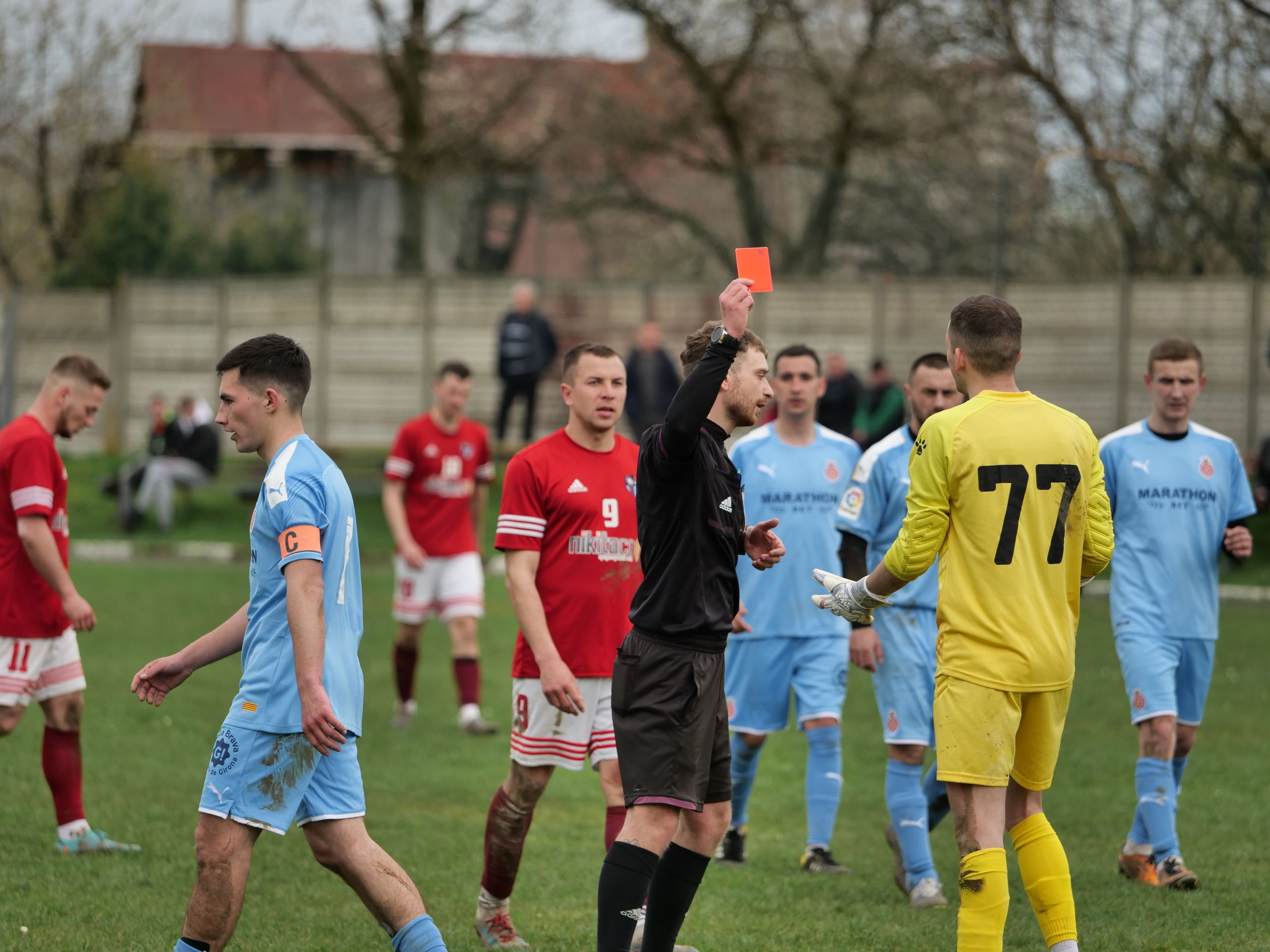
Think of it as a two-strike system. Yellows go to reckless tackles, arguing with the ref, deliberately wasting time, or celebrating a goal by ripping your shirt off (yes, really). A second yellow in the same game automatically becomes a red and the ref will show the yellow, then the red, and point to the tunnel. Straight reds skip the warning entirely: violent conduct, spitting, insulting the referee, or denying an obvious goal with a foul (like handling the ball on the goal line). Here’s what makes reds so dramatic: the team plays the rest of the match a player short, and they can’t sub anyone on to replace them. If the goalkeeper gets sent off, an outfield player has to put on the gloves, or the team burns a substitution bringing on the backup keeper. Cards also follow players between games and if you rack up enough yellows across a season or tournament you serve a suspension.
What to watch for:
- The pocket reach. When the referee’s hand goes to the back pocket, the stadium holds its breath as that’s where the red lives. Front pocket is yellow.
- The second-yellow sequence. Yellow shown, then red, then the long walk. The player always argues. It never works.
- The tactical fallout. A red card in the 30th minute rewrites the whole game because the short-handed team usually pulls a striker and parks the bus.
- The goalkeeper nightmare. A keeper sent off is chaos: watch who volunteers for the gloves. It’s almost always entertaining.
Say this out loud
- “That’s a yellow all day.”
- “He’s already on a yellow he can’t make that tackle.”
- “Straight red! They’re down to ten.”