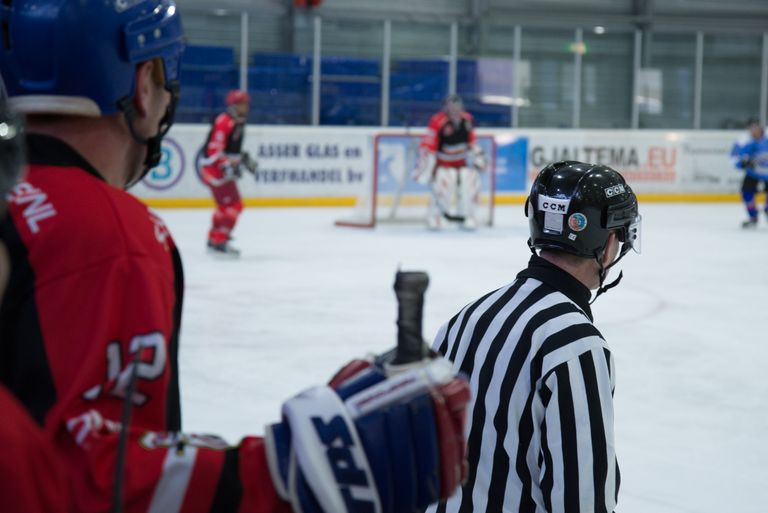
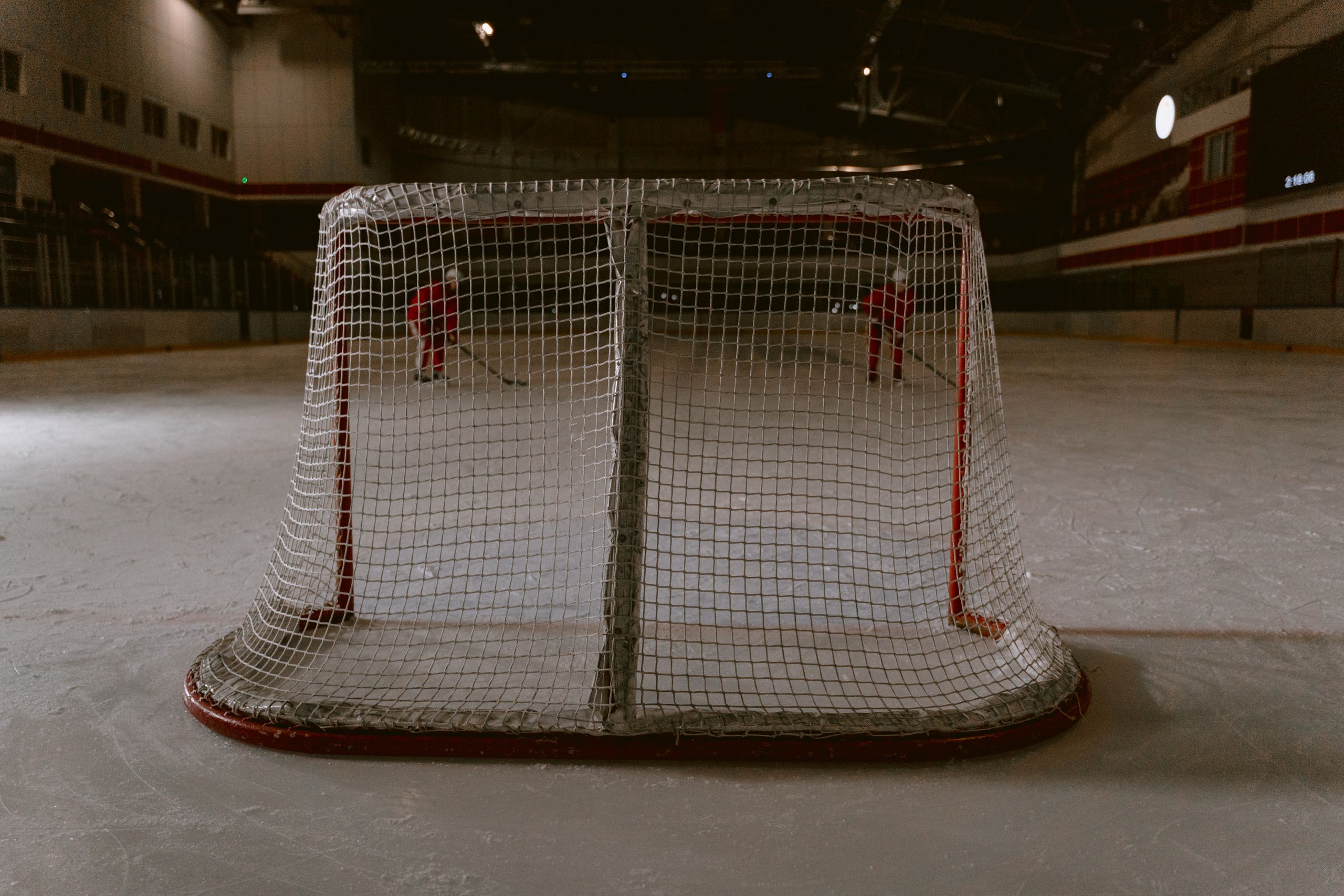
Why Do Goalies Leave the Net Empty?
The 30-second answer
When a team is losing late in the game, they pull the goalie and send out a sixth skater, six attackers against five defenders. It’s a gamble: much better odds of scoring the tying goal, but an empty net means the other team can fire the puck the length of the ice into it. You’ll usually see it in the final minute or two when a team is down by one.
The slightly longer version
A 6-on-5 advantage is enormous in hockey and the extra skater creates passing lanes that don’t exist at even strength. Coaches used to wait until the last minute, but analytics have pushed it earlier: down by two goals, you’ll often see the net empty with two or three minutes left. The risk is the empty-net goal, usually scored when the defending team ices the puck and it slides all the way in. One quirk: teams also pull the goalie during a delayed penalty when the other team is about to be penalized, play will stop at the next whistle anyway, so there’s zero risk in adding the extra attacker. The goalie just skates to the bench and a skater hops on.
What to watch for:
- The skate to the bench. The goalie heads off during play or at a stoppage. That’s your cue the gamble is on.
- The icing. The defending team will fire the puck down the ice at the empty net from everywhere. Most miss. The ones that don’t end the game.
- The timeout setup. Coaches often call timeout right before pulling the goalie to draw up the 6-on-5 play.
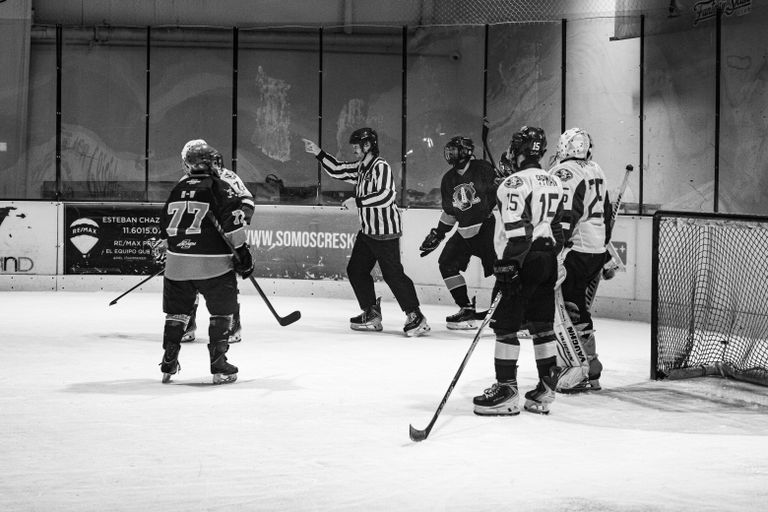
- The delayed penalty. If you see the goalie leave and there’s no stoppage coming, look for the referee’s raised arm which means a penalty is coming, free extra skater.
Say this out loud
- “They pulled the goalie for a six on five!”
- “Empty netter. That’s the game.”
- “Too early to pull him!”