
What Is Offside in Hockey?
The 30-second answer
A player is offside if they cross the blue line into the attacking zone before the puck does. That’s the whole rule the puck has to go in first, then the players. Jump the gun and the whistle blows, and the faceoff moves outside the zone.
The slightly longer version
Unlike soccer, hockey offside has nothing to do with where the defenders are it’s purely about the puck beating the players across the blue line. This is why you see teams carry the puck in or dump it into the corner and chase: both are legal ways to get the puck across first.
There’s a mercy rule built in called the delayed offside. If attackers wander in early but don’t touch the puck, the linesman just raises an arm instead of blowing the whistle and if everyone “tags up” by exiting back over the blue line, play goes on like nothing happened. But if a team does it on purpose to kill play, that’s an intentional offside, and the faceoff drops all the way back in their defensive zone.
What to watch for:
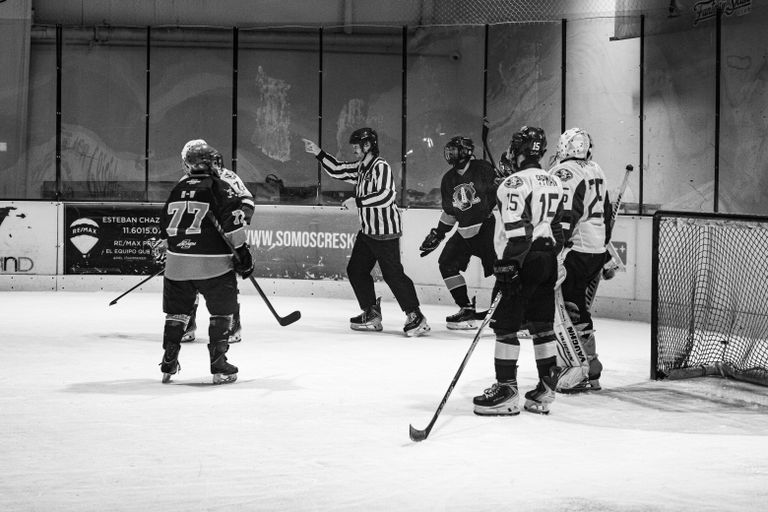
- The linesman’s raised arm that’s the delayed signal. No whistle yet; they’re giving the attackers a chance to tag up.
- Players peeling back to touch the blue line that’s the tag-up, and it’s why a “sure” offside sometimes fizzles into nothing.
- Zone entries: a clean carry across the line versus a dump-and-chase. Coaches obsess over this because a failed entry is a wasted attack.
- After a goal, watch for the offside challenge. Teams can ask for a video review, and goals get wiped out if the zone entry was offside.
Say this out loud
“He crossed the line before the puck, that’s offside. They’re tagging up, no whistle.”