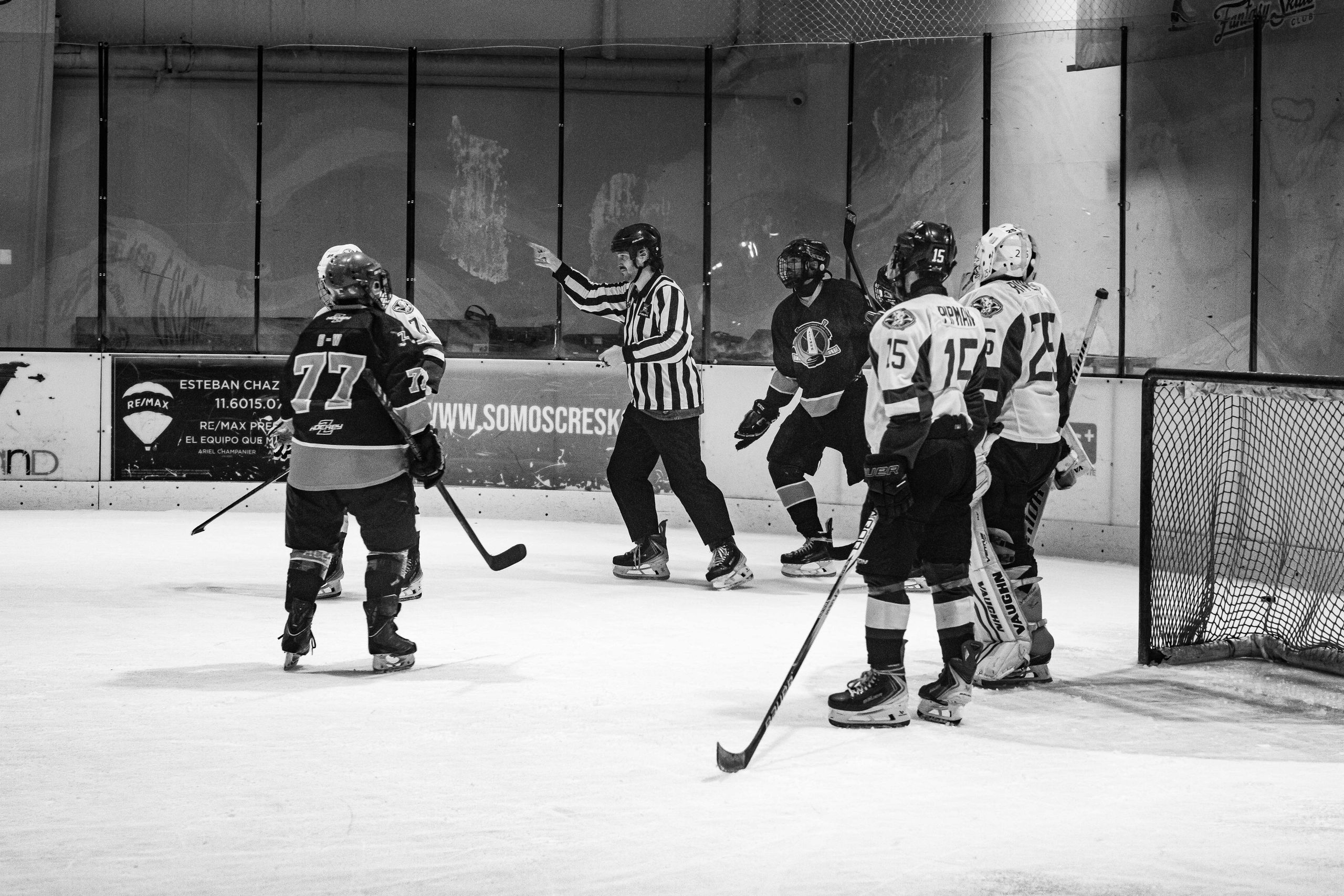
What Is a Power Play in Hockey?
The 30-second answer
A power play is when one team has more skaters on the ice because an opposing player is stuck in the penalty box. Most often it’s 5 skaters against 4, for two minutes. The team with the extra skater is “on the power play,” and the short-handed team is “killing the penalty.” It’s hockey’s version of a free advantage and a huge scoring chance.
The slightly longer version
It starts with a penalty a hook, a trip, a slash. The guilty player sits in the penalty box for two minutes (a minor) while his team plays short-handed. If the power-play team scores during those two minutes, the penalized player gets out early. A five-minute major is harsher: the player sits the full five no matter how many goals go in.
With the extra skater, the power-play team sets up in the offensive zone and works the puck around the perimeter, waiting for a shooting lane you’ll hear it called the “umbrella” formation. The penalty killers do the opposite: pressure the puck, block lanes, and fire the puck down the ice whenever they get it (short-handed teams are allowed to ice the puck legally).
What to watch for:
- The penalized player skating to the box the box door opening is your cue the power play is starting.
- The faceoff: if the power-play team wins it, they usually set up immediately. If they lose it, watch them chase to get the puck back in the zone.
- The penalty killers will ice the puck every chance they get that’s legal short-handed, and it burns precious seconds.
- The moment a goal goes in, the box door flies open. Two-minute penalties end on a goal; five-minute majors don’t.
Say this out loud
“Two minutes for hooking they’re going on the power play. Watch how they move the puck around to find the open shooter.”