What Is a Penalty Kick in Soccer?
The 30-second answer
A penalty kick is a free shot at goal from 12 yards out, with only the goalkeeper to beat awarded when a defender commits a foul inside their own penalty box, the big rectangle in front of their goal. It’s soccer’s harshest in-game punishment, because the foul probably stopped a scoring chance; most penalties are scored. Announcers call it “a penalty” or just “a pen,” and when the ref points at the spot, the whole stadium knows what’s coming.
The slightly longer version
Location is everything. The same trip or shove that’s an ordinary free kick out near midfield becomes a penalty if it happens inside the box, the large rectangular area (about 18 yards deep) around each goal. That’s the whole rule: foul by a defender, inside their own box, and the attacking team gets a penalty kick. Handball by a defender in the box counts too, which is why you’ll see defenders sprinting around with their arms pinned behind their backs.
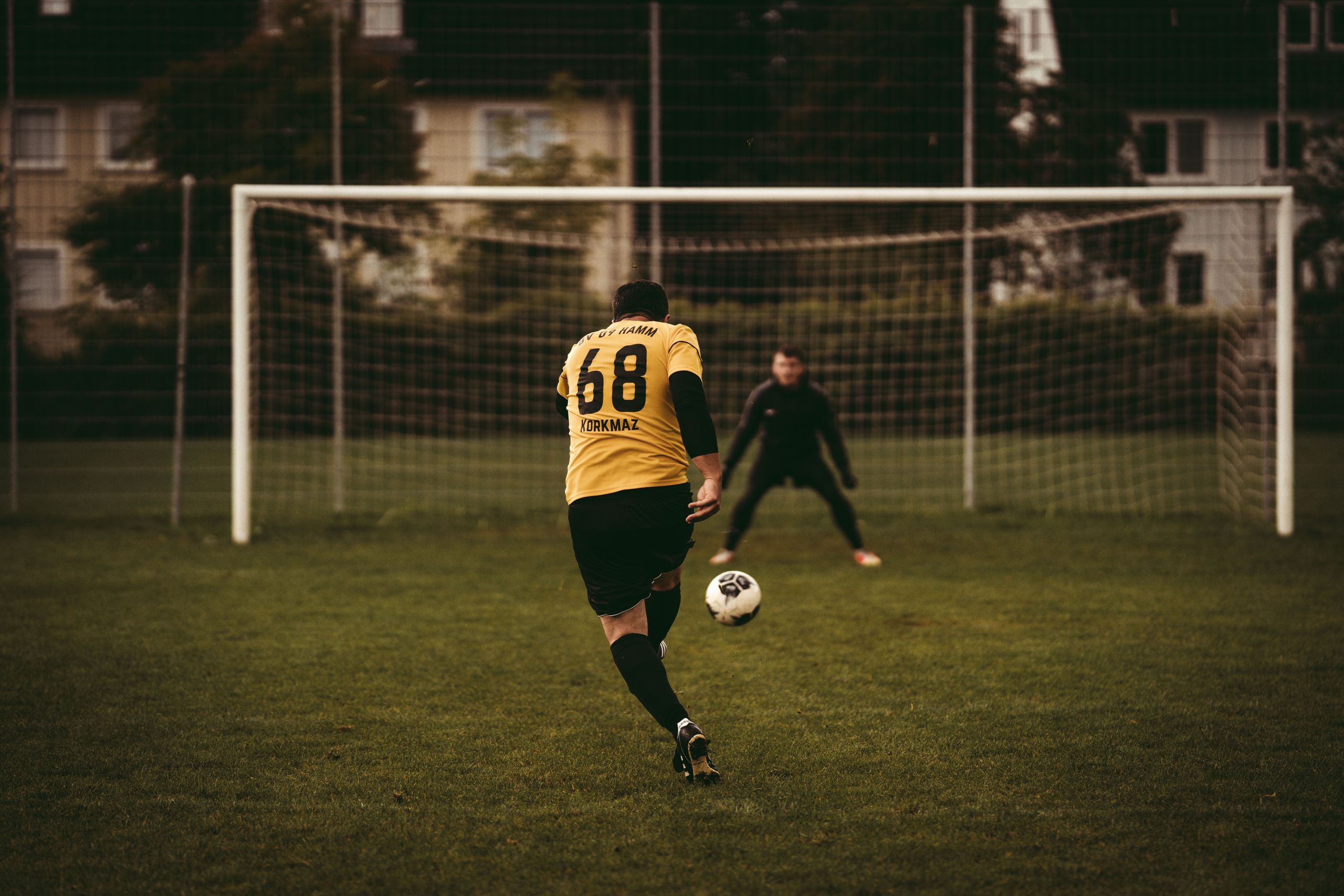
The kick itself is simple. The ball goes on the penalty spot, 12 yards from goal. Everyone except the kicker and the goalkeeper must stay outside the box until the kick is taken. The keeper has to stay on the goal line until the ball is struck, come off it early and make a save then the kick gets retaken. The kicker gets one swing: no passing it to a teammate, no second touch if it bounces back off the post (hitting the keeper and rebounding is fair game, and in a normal match the rebound is live and anyone can pounce on it).
How likely is a goal? Roughly three out of four penalties are scored, which makes the moments around the decision of the foul, the VAR check, the long walk to the spot are some of the most tense in the sport. The kicker is expected to score; the keeper is a hero if they don’t.
Don’t confuse it with a penalty shootout: a penalty kick happens during a game, as part of play, and rebounds count. A shootout is the tiebreaker after a tied knockout game, where each kick is final and there are no rebounds. There’s a separate explainer for shootouts here.
What to watch for:
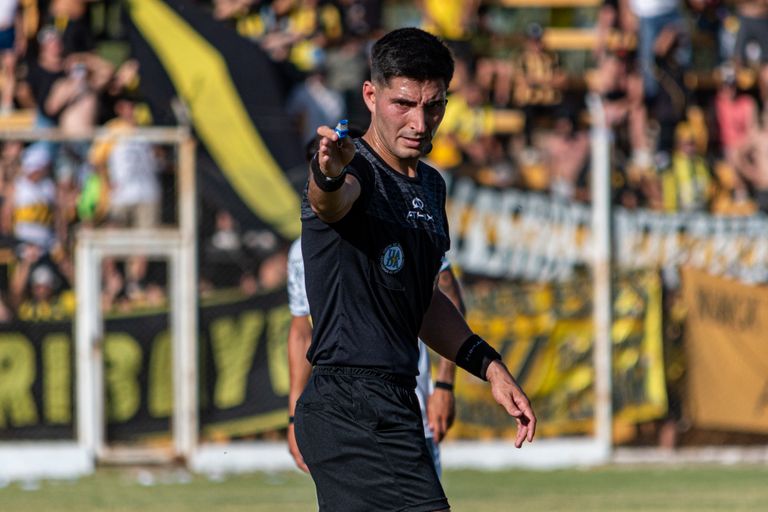
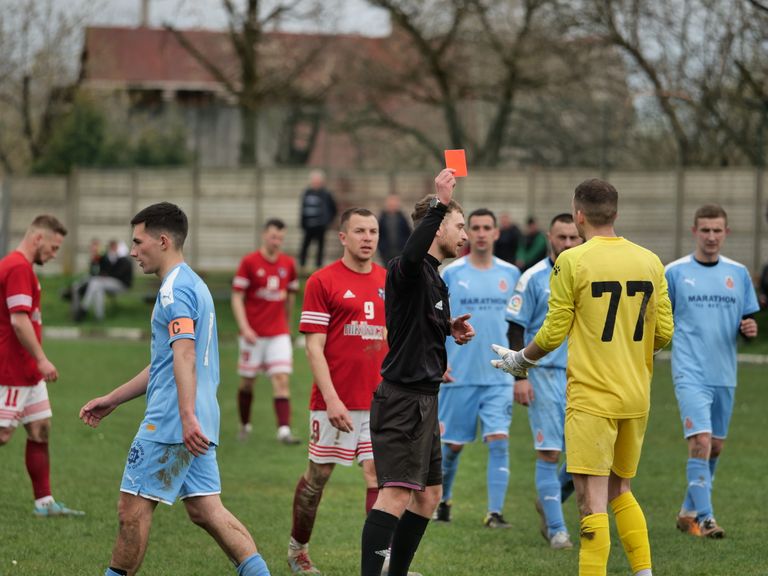
- The referee pointing at the spot. One arm, straight at the penalty mark, it’s the most dramatic gesture in soccer.
- Defenders with hands behind their backs in the box. They’re terrified of a handball call. Now you know why they run like that.
- The keeper bouncing on the line. Keepers must stay on the line until the kick, watch how close to the edge of the rule they dance.
- Who takes it. Teams have a designated penalty taker, but after a foul, watch for the argument: the player who won it often wants it.
Say this out loud
“Foul in the box and that’s a penalty, full stop.”
“Keeper has to stay on his line until it’s kicked.”
“Three times out of four, that’s a goal. The pressure’s all on the kicker.”