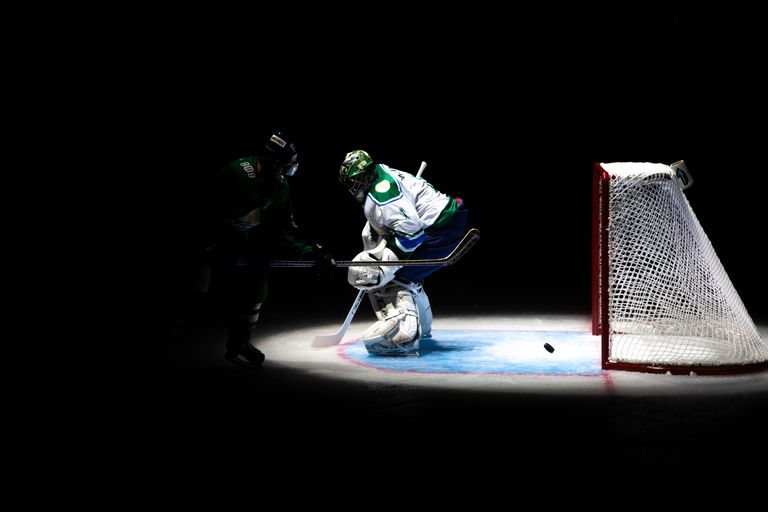
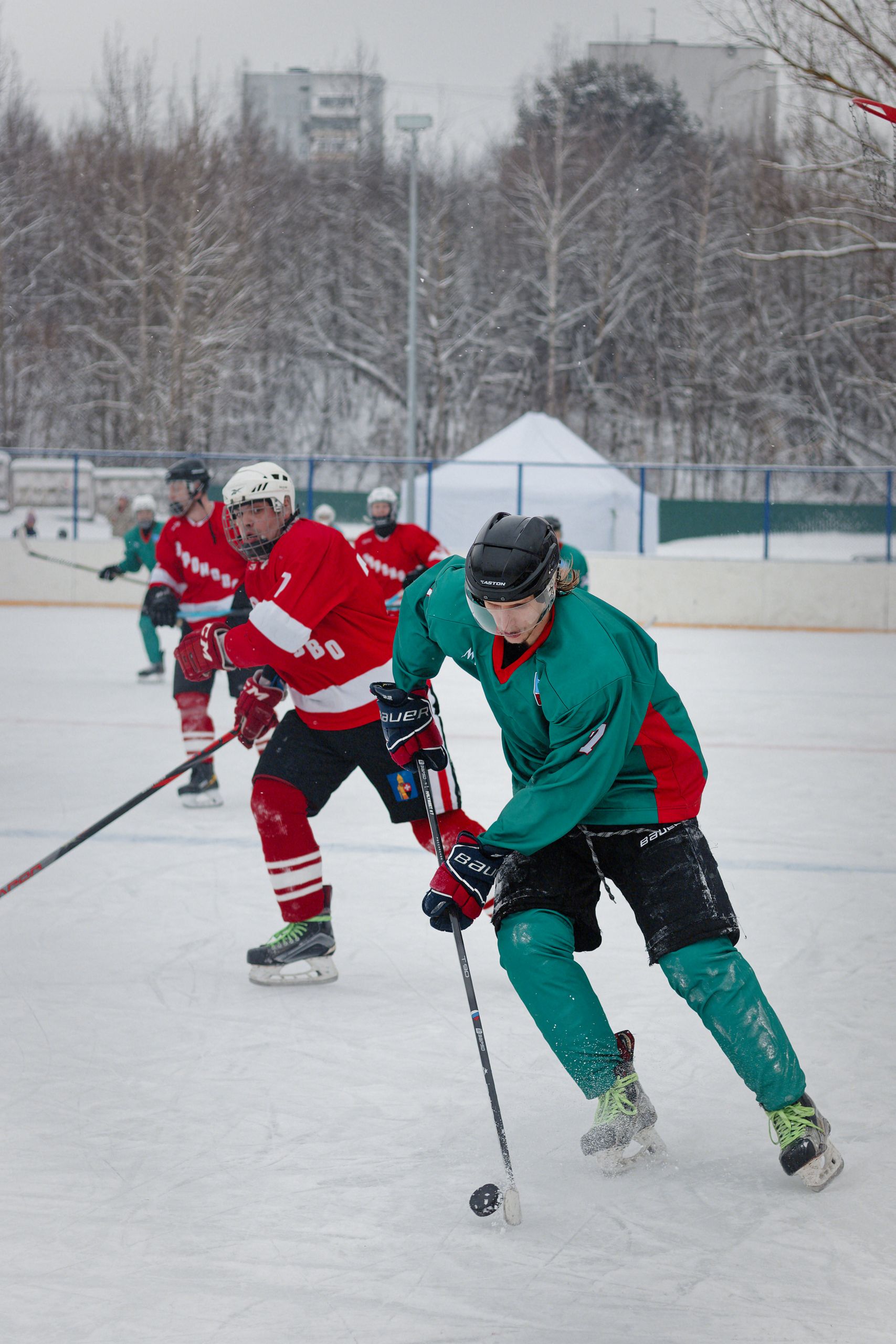
Why Do They Play Hockey Outside?
The 30-second answer
Hockey was born outside on frozen ponds, backyard rinks, lakes. The NHL moves a few games outdoors every year as a nod to those roots, and because it’s a spectacle: tens of thousands of fans packed into a football stadium, watching under the open sky. Crews build a full-size rink right on the field, with refrigeration pipes running underneath to keep the ice frozen. And it counts with the same rules, same two points in the standings as any indoor game.
The slightly longer version
Outdoor hockey is the game’s origin story. Most of the sport’s greats learned on frozen ponds and community rinks, and in Canada especially, outdoor ice is still where kids fall in love with the game. The NHL’s outdoor games are a tribute to that pond hockey, scaled up to 40,000 people.
There are three outdoor series. The Winter Classic is the American one, played around New Year’s Day since 2008. The Heritage Classic is Canada’s version and the very first was in 2003, when the Canadiens beat the Oilers in Edmonton, in front of the first huge outdoor crowd the modern NHL had ever seen. The Stadium Series adds more outdoor games in U.S. stadiums with a flashier look. The 2026 Heritage Classic, Jets vs. Canadiens in Winnipeg on October 25, is the eighth one.
Building the rink takes about two weeks. Crews raise boards and glass on the football field, paint the lines and logos on, then lay the ice over a bed of refrigeration piping hooked up to portable cooling units. Good ice needs cold air so sun and warmth are the enemy. Bright sun softens the surface and blinds goalies; snow gets shoveled off during stoppages; wind swirls around a stadium bowl. Past outdoor games have been delayed hours by heat, rain, and sun hitting the ice.
Because of that, the NHL has special weather rules for outdoor games. If wind or sun gives one end of the rink an unfair edge, the referee stops play on a “hard whistle” at the 10-minute mark of the third period (and again at 2:30 of overtime, if needed) so the teams switch ends. In a shootout, both goalies are allowed to defend the same end. And if weather kills the game for good after two periods, it can be declared official and count in the standings.
Everything else is normal hockey with the same rulebook, same officials, a regular-season game worth two points. The pageantry is part of the draw: both teams wear special throwback-style uniforms designed just for the occasion, and the whole thing feels like a festival rather than a Tuesday night at the arena.
What to watch for:
- The mid-third-period switch. Play stops at the 10-minute mark of the third and the teams swap ends and that’s the weather rule evening things out, not a mistake.
- The ice looking different. Outdoor ice can be slower, chippier, or dusted with snow. Watch players adjust with shorter shifts, simpler plays.
- The throwback jerseys. Both teams wear special vintage-style uniforms made just for the game and for 2026, the Jets nod to their 1980s–90s look and the Canadiens go vintage off-white.
- The scale of it. A football stadium holds far more fans than a hockey arena, all of them outside under the sky. The wide shots are half the fun.
Say this out loud
“They switch ends halfway through the third so the sun doesn’t favor one team.”
“Same two points in the standings and the ice is just outside.”
“The Heritage Classic is Canada’s answer to the Winter Classic.”