What Is the Strike Zone?
The 30-second answer
The strike zone is the invisible box over home plate that decides balls and strikes. It’s roughly from the batter’s knees up to the midpoint of their torso, and as wide as the plate itself (17 inches). Pitch inside the box: strike. Miss it: ball. Three strikes and you’re out; four balls and you walk to first.
The slightly longer version
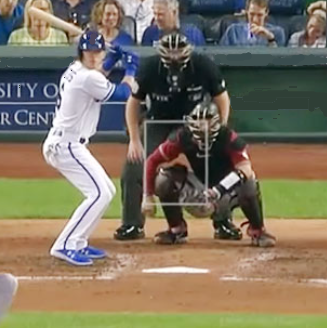
The strike zone is the entire chess match of baseball compressed into one box. The pitcher is trying to live on its edges. Close enough to get strikes called, far enough that the batter can’t hit it squarely. The catch is that the zone is a judgment call: the home-plate umpire decides in real time whether each pitch clipped the box. That’s why you’ll see catchers subtly “frame” borderline pitches, pulling their glove back toward the middle to sell it as a strike. The zone you see drawn on TV broadcasts is the network’s estimate, not the official call the umpire’s eyes are the rulebook.
What to watch for:
- The TV box. Broadcasts draw the zone on screen. When a pitch lands on the edge and the ump calls it a ball, that’s the whole argument of baseball in one moment.
- Framing. Watch the catcher’s glove on close pitches, the little tug back toward the zone is a skill teams now measure and pay for.
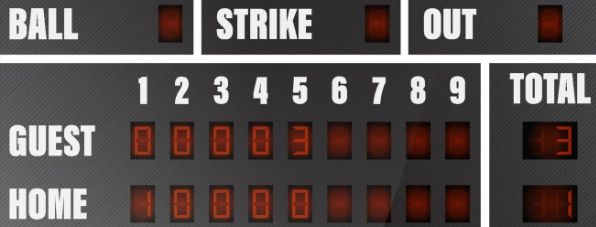
- Full counts. At 3 balls and 2 strikes, the next pitch decides everything: strikeout, walk, or the ball gets put in play. The stadium gets loud for a reason.
- “Where was that?” When a batter turns around to ask the umpire, they thought the pitch missed. They’re usually right about half the time.
- The helmet tap. When a batter, catcher, or pitcher taps their helmet or cap, they’re challenging the call. Watch the big screen for the animated replay of the pitch through the zone is one of the coolest new sights in baseball.
Say this out loud
“That was a ball! It was two inches outside.”
“He’s painting the corners tonight.”
“Full count, here we go.”