What Is an Inning in Baseball?
The 30-second answer
A baseball game is divided into 9 innings, and each inning has two halves. In the top half the visiting team bats; in the bottom half the home team bats. Each half ends after the batting team makes 3 outs. Most runs wins — that’s the whole structure everything else hangs on.
The slightly longer version
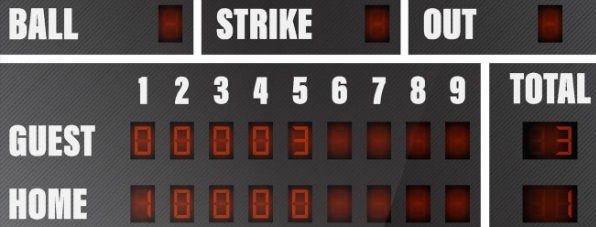
An “out” is simply a failed turn at bat. A strikeout, a caught fly ball, a grounder thrown out at first. Three of those and the half-inning is over, sides switch. The scoreboard grid you see on broadcasts (1 through 9, plus R, H, E) is just runs scored in each inning, per team.
Two quirks worth knowing: if the home team is already winning after the top of the 9th, they don’t bother batting in the bottom half, the game’s over. And if it’s tied after 9, you get extra innings (10th, 11th, onward) until someone wins. In today’s game, extra innings start with a runner on second base to speed things along. Fans call him the ghost runner.
What to watch for:
- The line score. Reading runs inning-by-inning tells you the story of the game. A “crooked number” (more than 1 run in an inning) is usually the turning point.
- The 7th-inning stretch. Everyone stands for “Take Me Out to the Ball Game.” It’s tradition, not strategy.
- The bullpen phone. A coach is shown on the phone calling the bullpen in the late innings that means the starter’s day is nearly done and the high-leverage relievers are coming.
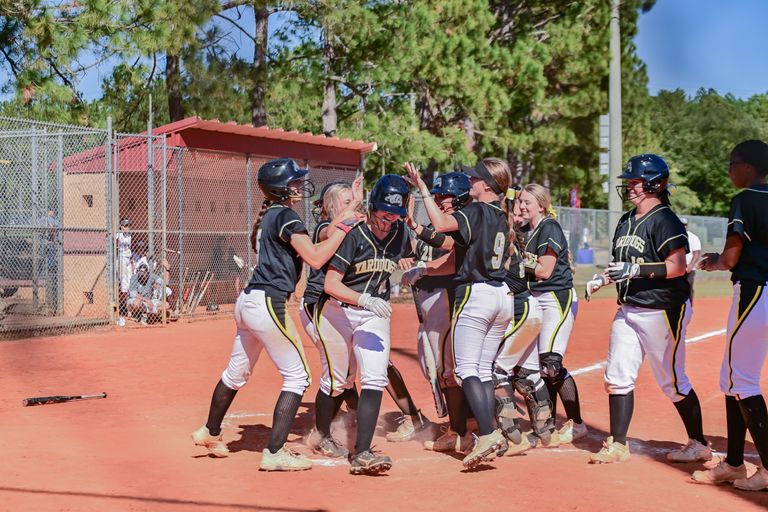
- A walk-off. If the home team takes the lead in the bottom of the 9th (or later), the game ends on the spot. No need to finish the inning.
Say this out loud
“Bottom of the ninth, tying run on second, this is why you watch all nine.”