What Is a “Perfect” Game?
The 30-second answer
A perfect game is when a pitcher retires all 27 batters he faces with no hits, no walks, no errors, nobody reaching base at all. Twenty-seven up, twenty-seven down. It’s only happened 24 times in MLB history, making it rarer than a no-hitter and one of the hardest feats in all of sports.
The slightly longer version
The difference between a perfect game and a no-hitter is everything else: a no-hitter allows walks, hit batters, and errors, as long as nobody gets a hit. A perfect game allows nothing. One walk in the 4th inning and the perfecto is gone, even if the no-hitter survives. That’s why there have been hundreds of no-hitters but only 24 perfect games and the most recent was Domingo Germán’s in 2023. The close calls are almost as famous as the real ones: in 2010, Armando Galarraga retired 26 straight Tigers before umpire Jim Joyce blew the call at first base with two outs in the 9th (Joyce tearfully apologized afterward). And the crown jewel is Don Larsen’s perfect game in Game 5 of the 1956 World Series that’s still the only one ever thrown in the postseason. By the 8th inning of a bid, the whole stadium knows: nobody in the dugout talks to the pitcher. It’s baseball’s strictest superstition.
What to watch for:
- The 7th-inning realization. Around the 7th, the broadcast starts whispering about it and the crowd starts standing for every two-strike count.
- The defense. Late in a perfecto, fielders play out of their minds by diving stops and leaping catches they wouldn’t attempt in May.
- The dugout silence. Watch the bench: nobody sits near the pitcher, nobody talks to him. Everyone knows the rule.
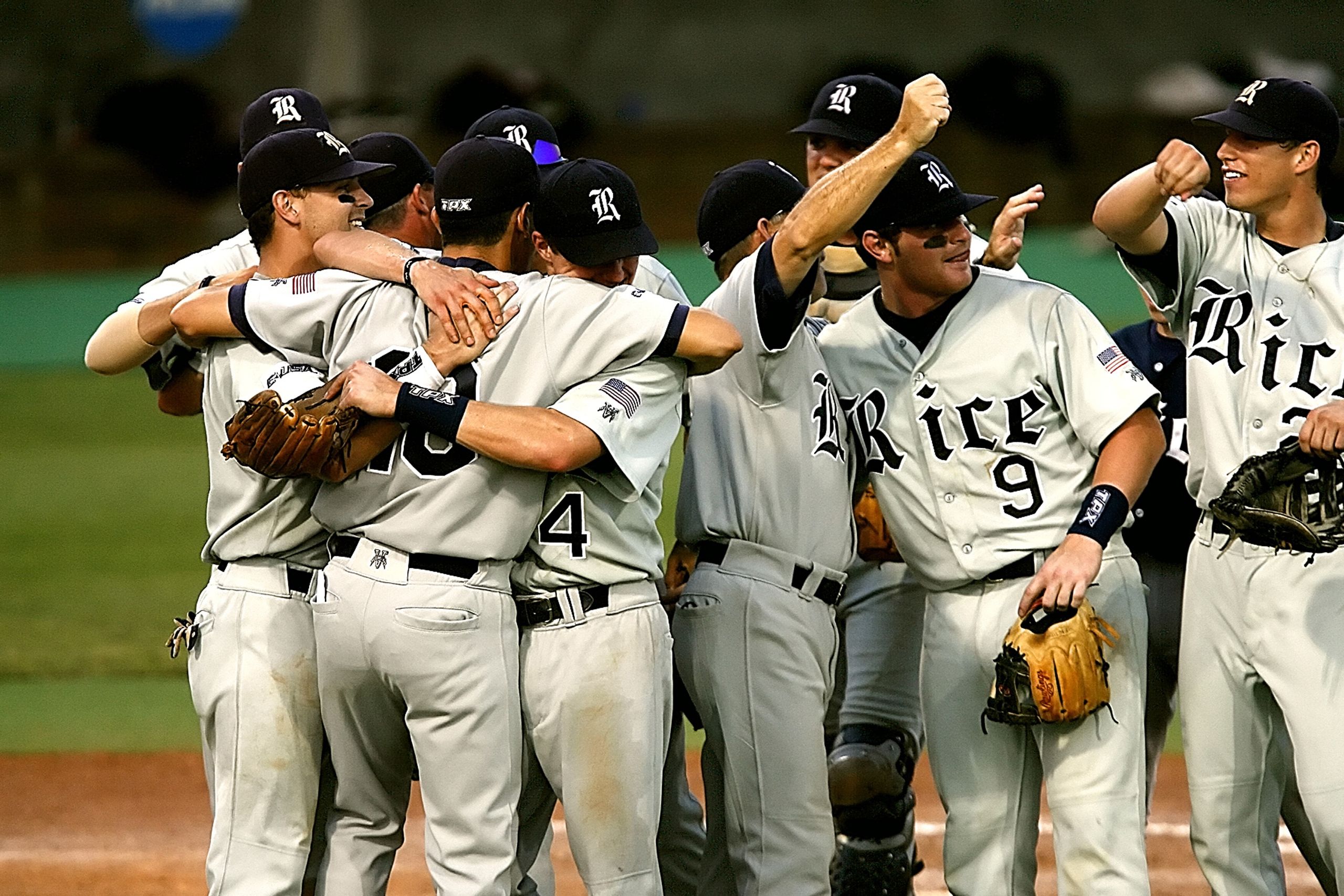
- The final out. The last out of a perfect game is pure mayhem and the catcher sprints to the mound and the pile-on begins.
Say this out loud
“He’s got a perfecto through seven nobody talks to him.”
“Twenty-seven up, twenty-seven down.”
“Galarraga got robbed. Still hurts.”