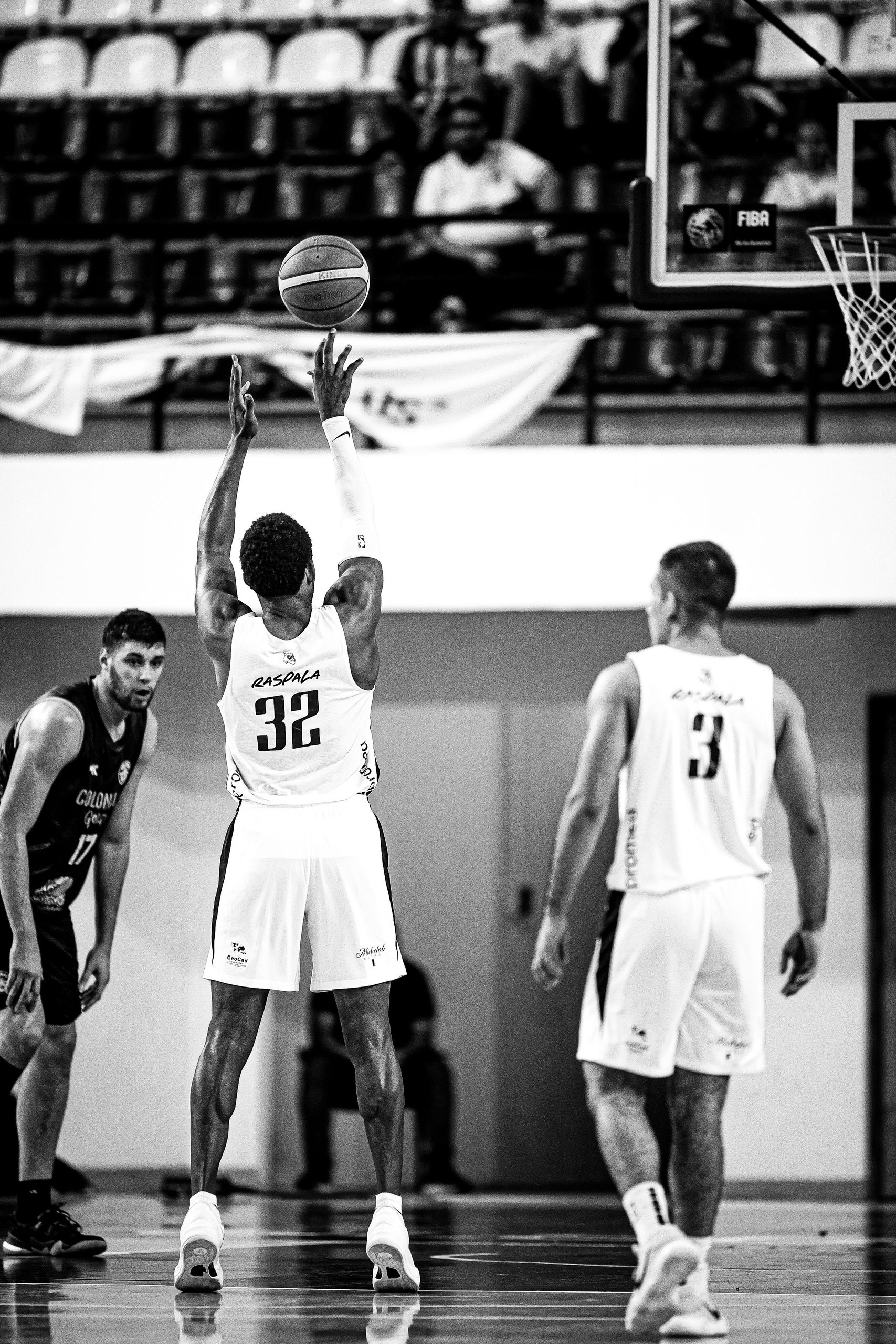
What Causes a Free Throw in Basketball?
The 30-second answer
A free throw is a free, undefended shot from the foul line and it happens because somebody broke a rule. Most often, a defender fouled the shooter while they were taking a shot, so the shooter gets to try the points they were denied. The other common cause is the bonus: once a team has committed enough fouls in a period, every foul after that sends the other team to the line, even if nobody was shooting.
The slightly longer version
Think of a free throw as basketball’s way of making it right. Play stops, everyone else lines up along the lane and stays out of the way, and one player shoots from 15 feet out with nobody guarding them. Each made free throw is worth one point.
The shooting foul is the one you’ll see most. If a defender fouls a player in the act of shooting, that player goes to the line. How many shots depends on the shot they were taking: two shots for a regular two-pointer, three shots for a three-pointer. If the shot went in anyway, it’s just one extra shot and that’s the “and-one” you hear announcers shout, a made basket plus one free throw for the foul.
The bonus fouls adding up. Basketball also punishes teams that foul too much. Once a team crosses the foul limit for a period (in the NBA, that’s five team fouls in a quarter), the other team is “in the bonus,” and any foul after that whether shooting or not means free throws, usually two. That’s why the end of a close game can turn into a parade to the line: the team that’s behind fouls on purpose to stop the clock and hope the other team misses.
The rarer causes. A technical foul or arguing with the referee, for example gives the other team one free throw, which any player on the floor can take; then play just resumes from where it left off. A flagrant foul, a dangerously hard or unnecessary hit, gives two free throws plus possession. And in the last two minutes, some fouls away from the ball also send a player to the line, to stop teams from fouling a bad free-throw shooter on purpose.
One thing that confuses new fans: the shooter doesn’t have to make them all, and the game doesn’t restart normally after every free throw. On the last free throw, if it misses, it’s a live ball and players along the lane can rebound it and play on. That’s why you’ll see everyone crouched and ready on that final shot, and why a missed free throw late in a close game can be just as dramatic as a made one.
What to watch for:
- The “and-one.” A player scores through contact, then gets one free throw to finish a three-point play. The crowd reaction tells you everything.
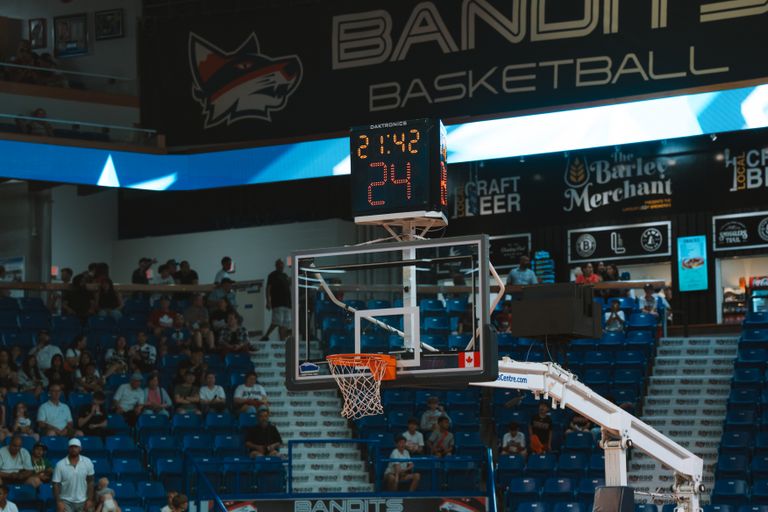
- The bonus situation. Watch the scoreboard for the foul count once a team is in the bonus, every whistle means free throws, and the game slows way down.
- The intentional foul at the end. A team down by a few points with seconds left will foul on purpose, betting the other team misses at least one free throw. It’s not dirty play, it’s strategy.
- The last-shot rebound. On the final free throw, a miss is live. Don’t look away until somebody has the ball.
Say this out loud
“He got fouled on the shot and that’s two at the line.”
“They’re in the bonus now, so every foul is free throws.”
“And-one! That’s a three-point play if he makes the free throw.”