Why Does the Football Clock Stop Sometimes?
The 30-second answer
The rule is simpler than it looks: if the ball carrier is tackled in bounds, the clock keeps running. If the play can’t continue with an incomplete pass, a runner stepping out of bounds, a score then the clock stops. The catch most fans miss: for most of the game, stepping out of bounds only pauses the clock until the referee spots the ball for the next play. It only stays stopped until the snap late in the half and late in the game, which is why the sideline becomes the most valuable real estate in football at the end.
The slightly longer version
What stops the clock: an incomplete pass (the ball hits the ground, so no play happened); a player going out of bounds (with the catch below); any score; a change of possession (punt, turnover, turnover on downs); the end of a quarter; timeouts (three per half); and officials stopping it for penalties, injuries, measurements, replay reviews, and the two-minute warning.
What keeps it running: a runner or receiver tackled in bounds, even after a big gain. A first down does not stop the NFL clock as it keeps rolling while the offense hurries back to the line. (College used to stop it on first downs; since 2023 it works mostly like the NFL.)
The catch on out of bounds: except in the last 2 minutes of the first half and the last 5 minutes of the game, the referee restarts the clock as soon as the ball is set for the next play. Early, stepping out saves a handful of seconds; late, it’s a true stop until the snap. That’s why a team with no timeouts works the sidelines at the end, and why defenders are taught to tackle receivers in bounds.
Two more pieces: between plays there’s a separate play clock (40 seconds) that’s how a leading team drains ~40 seconds per snap and kneels a game away. And spiking the ball is buying a stoppage on purpose: a deliberate incomplete pass that freezes the clock at the cost of one down. Last wrinkle: inside the final minute, certain penalties, like a false start, can also burn 10 extra seconds off the clock, so a team can’t use its own foul to stop time.
What to watch for:
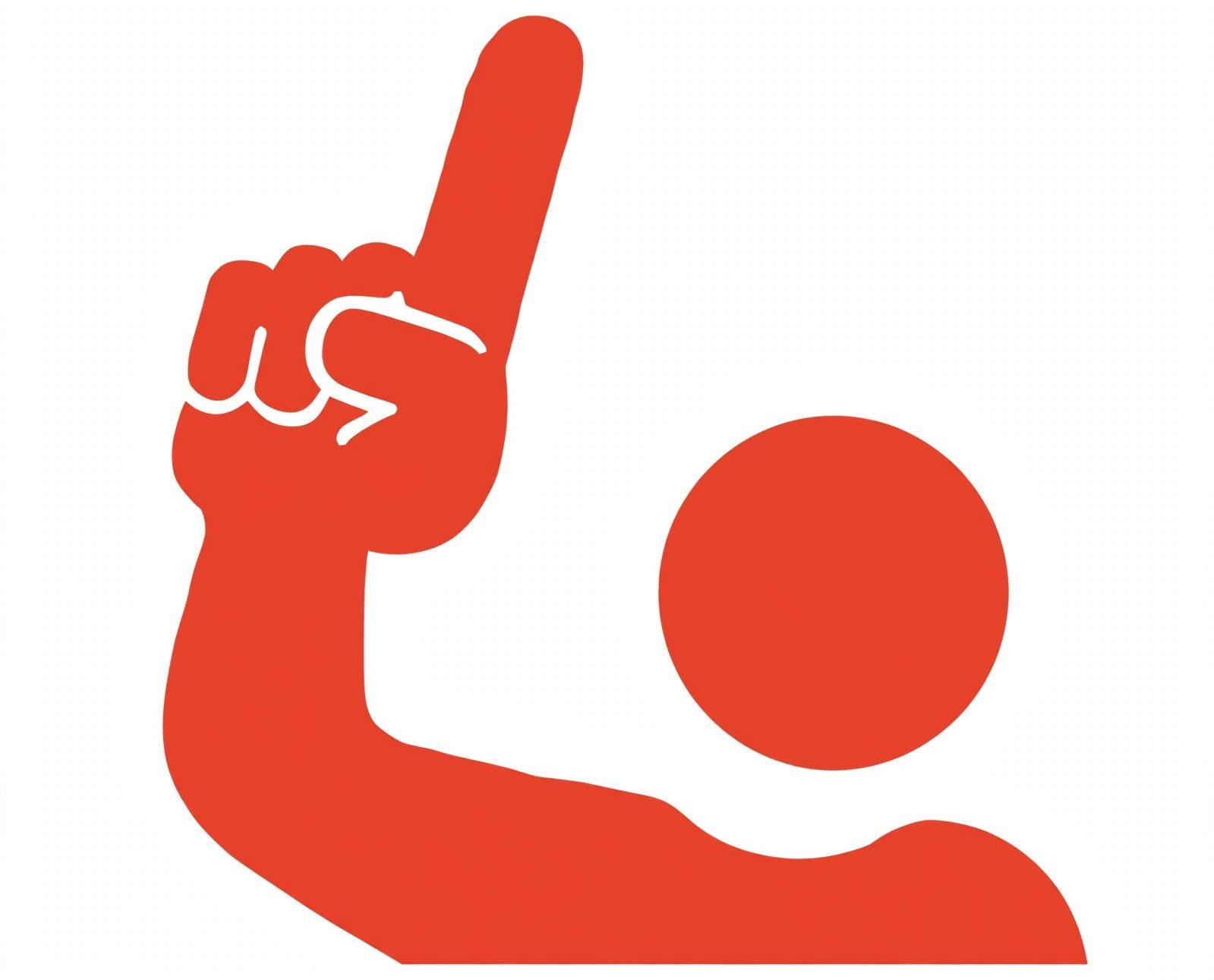
- The referee winding one arm in a circle. That’s the signal to restart the clock once the ball is spotted and the moment fans wonder why “out of bounds” didn’t stop anything.
- Sideline routes late, middle of the field early. Where receivers run tells you how much the clock matters on that drive.
- Kneel-down math. Defense out of timeouts? An offense burns about 40 seconds per play so a lead with under two minutes to kill is usually safe.
- The spike. A QB throwing it into the turf isn’t a mistake; he’s trading a down for a stopped clock.
Say this out loud
“Tackled in bounds! That clock’s not stopping.”
“Out of bounds only saves you late. Earlier they restart it as soon as the ball’s set.”
“They can just kneel this out with 40 seconds a snap.”