What Is the Shot Clock in Basketball?
The 30-second answer
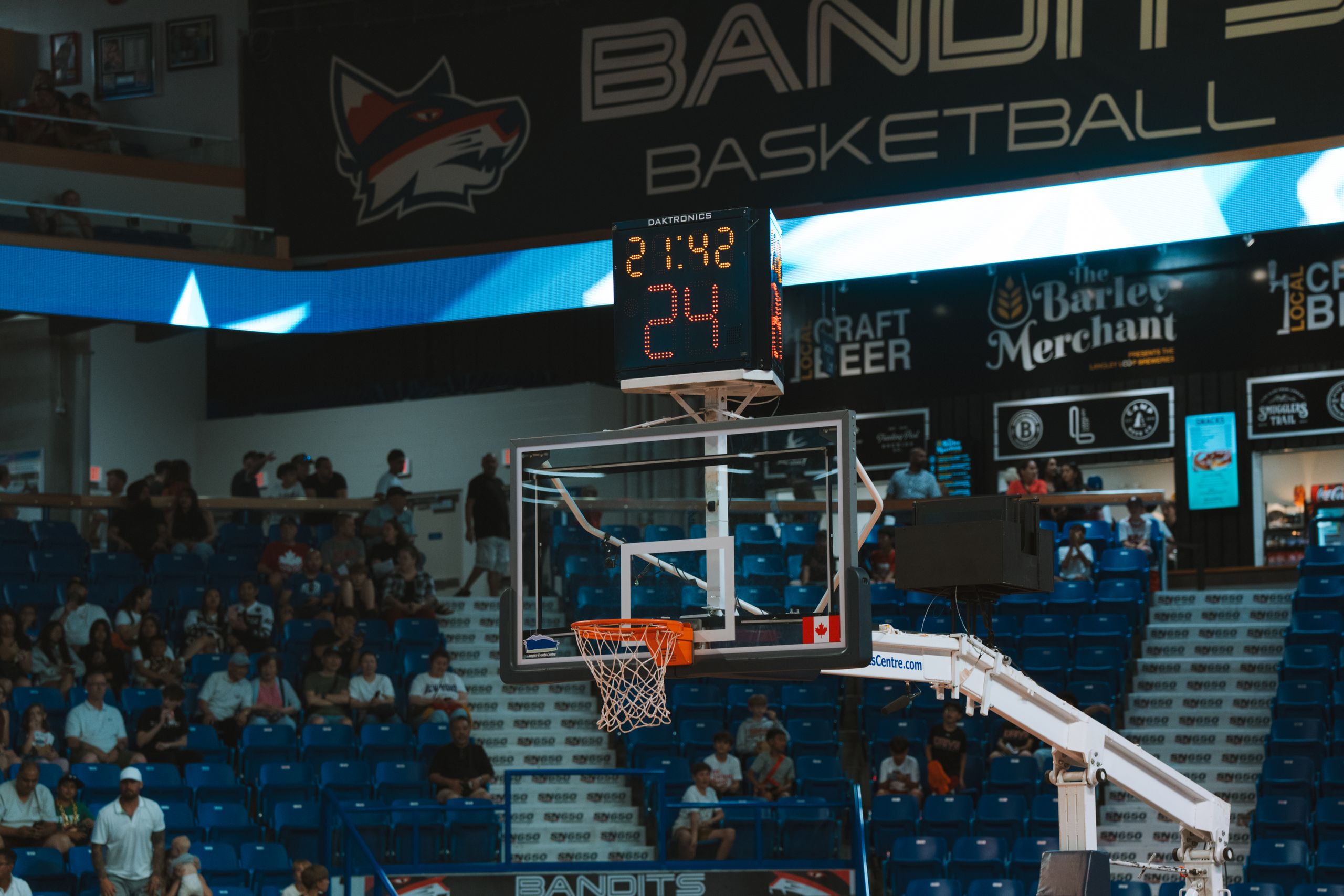
The shot clock gives the offense a fixed number of seconds to attempt a shot= 24 in the NBA, 30 in men’s college ball. If they don’t get a shot off that hits the rim in time, it’s a violation and the other team gets the ball. It exists for one reason: to stop teams from holding the ball forever to protect a lead.
The slightly longer version
Before 1954, NBA teams could literally just stand there holding the ball once they were ahead and one infamous game ended 19–18. The 24-second clock was invented to force action, and it worked: it created the fast, flowing game you see today.
The clock resets to full whenever the ball hits the rim, the defense takes possession, or there’s a stoppage like a foul. One wrinkle: in the NBA, an offensive rebound only resets it to 14 seconds, not 24 so second chances come with a shorter fuse. And the shot just has to leave the shooter’s hands before zero; it can still be in the air when the buzzer sounds.
What to watch for:
- The clock hitting single digits. When it drops under 10, the whole possession changes as the offense rushes into action and the defense just has to survive a few more seconds. The loudest moments in basketball start at “shot clock at 5.”
- The reset to 14. In the NBA, an offensive rebound doesn’t restart the full 24 it resets to 14. So a second-chance possession is a sprint, not a fresh start.
- The buzzer-beater. The ball has to leave the shooter’s hands before the clock hits zero and if it’s still in their fingertips, it doesn’t count. Replays of this are frame-by-frame drama.
- The stall that never happens. The shot clock was invented in 1954 because teams would get a lead and then just hold the ball for minutes. You’ll never see that in the modern game as the clock made sure of it.
Say this out loud
- “Shot clock’s at 4 somebody shoot!”
- “They got the rebound 14 seconds, go!”
- “That’s a shot-clock violation our ball.”