What Is a Field Goal in Football?
The 30-second answer
A field goal is worth 3 points, and it happens when a team kicks the ball through the tall yellow goalposts at the back of the end zone. You’ll usually see it on fourth down, when a team is close enough to kick but too far to reasonably go for a first down or a touchdown and it’s the “take the points” option instead of risking giving the ball away with nothing.
The slightly longer version
Think of a field goal as football’s consolation prize for a stalled drive. A team marches down the field, runs out of downs or nerve, and instead of walking away empty-handed, it tries to kick its way to 3 points.
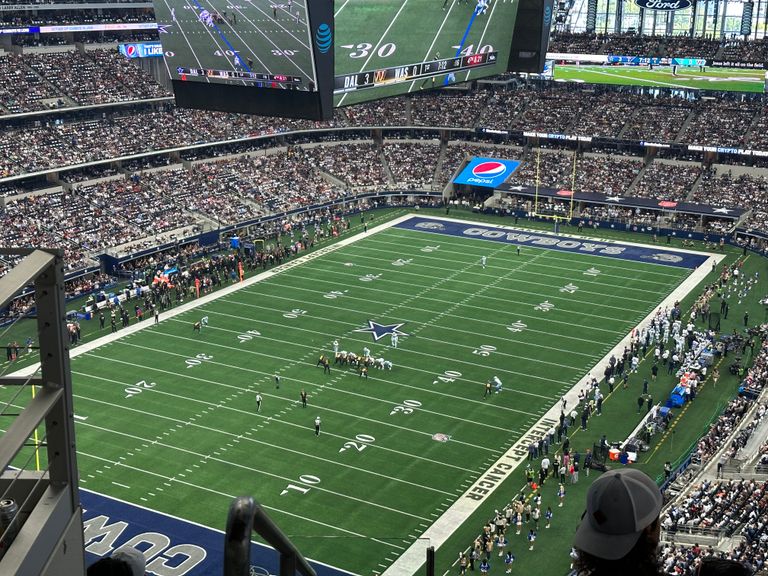
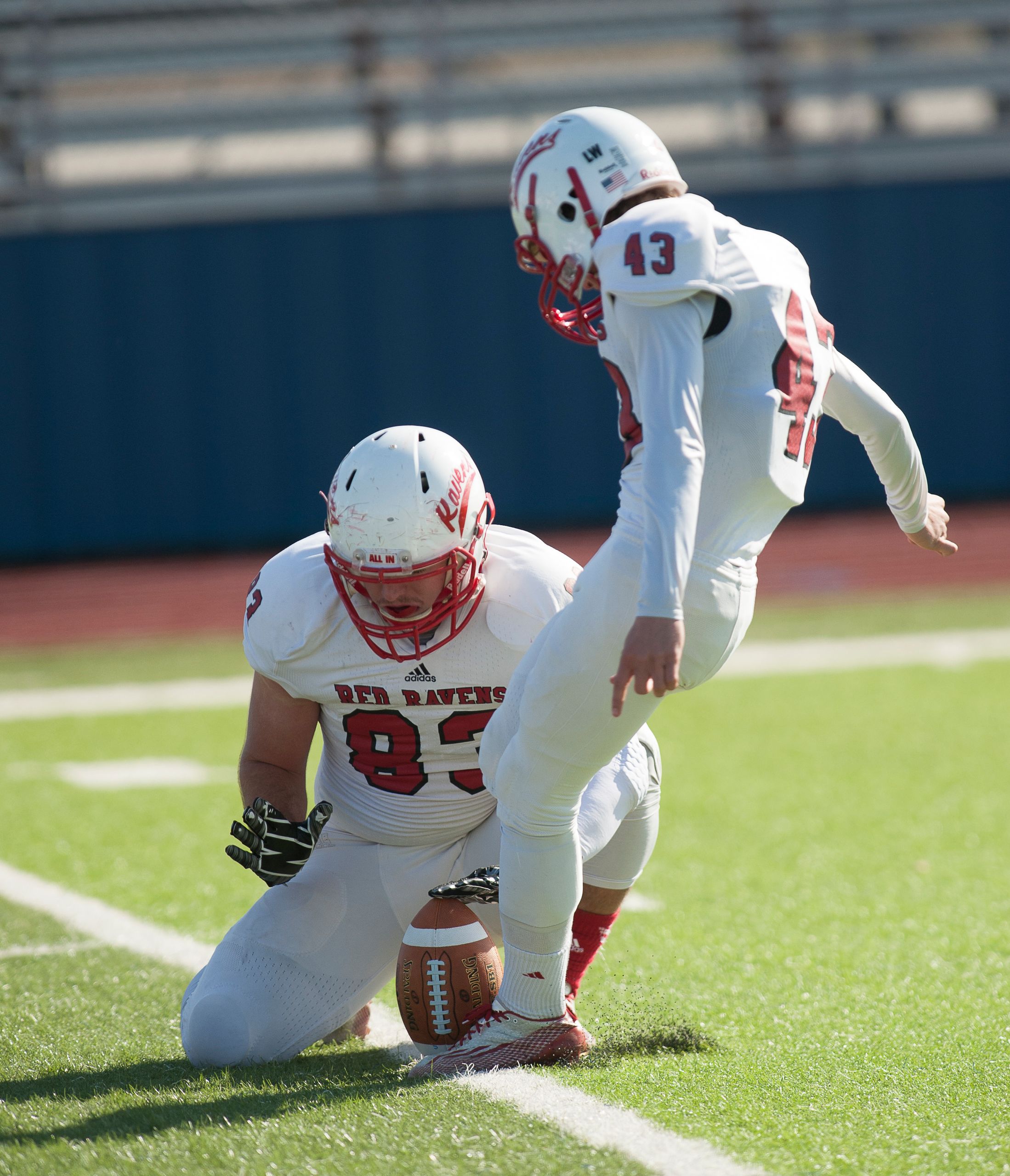
Here’s how the play works. A long snapper snaps the ball back to a holder, who catches it and sets it on the ground, spinning the laces away from the kicker. The kicker runs up and boots it toward the goalposts (two uprights with a crossbar), sitting at the back of the end zone. If the ball sails between the uprights and above the crossbar, it’s good for 3 points, and the scoring team kicks off to the other team.
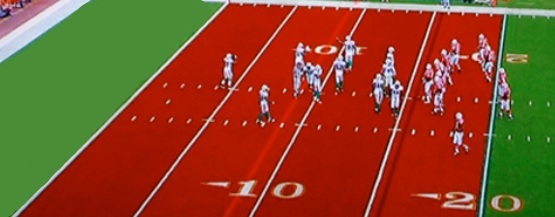
Distance matters, and the number announcers quote isn’t just where the ball was. The kick is taken about 7 yards behind the line of scrimmage, and the goalposts sit 10 yards behind the goal line, so a kick from the opponent’s 25-yard line is officially a 42-yard field goal. That’s why “field-goal range” is a real thing: most NFL kickers are reliable out to about 50 yards, shaky beyond that, and a coach’s decision often comes down to whether his kicker can make that distance. A field goal is not the same as an extra point as the extra point is the 1-point kick after a touchdown, from a much shorter distance.
If the kick misses, the other team takes over from the spot the kick was attempted from. That’s the gamble: a missed long field goal can hand the other team decent field position, which is why coaches sometimes punt instead of trying a very long kick.
What to watch for:
- The fourth-down decision. Watch the coach on the sideline: field-goal unit coming on means he’s taking the 3 points; offense staying on means he’s going for it.
- The “good from” call. Announcers saying a kick “would have been good from 60” just means it had distance to spare and the kick still only counts for 3.
- The icing timeout. A coach on the other team will sometimes call timeout right before the kick, hoping to rattle the kicker. The kicker usually just kicks anyway and that’s the “practice kick” you see.
- The doink. A kick that hits the upright and bounces out (or in) and the sound tells you before the officials’ signal does.
Say this out loud
“They’re in field-goal range now and that’s three points if he makes it.”
“Fourth down, they’re sending out the field-goal unit.”
“It hit the upright, Doink! No good.”