How Do Football Downs Work?
The 30-second answer
The offense gets four chances, called downs, to move the ball 10 yards. If they make it, they get four fresh chances. If they don’t, the other team takes the ball. That’s the entire engine of football everything else is built on top of those four chances.
The slightly longer version
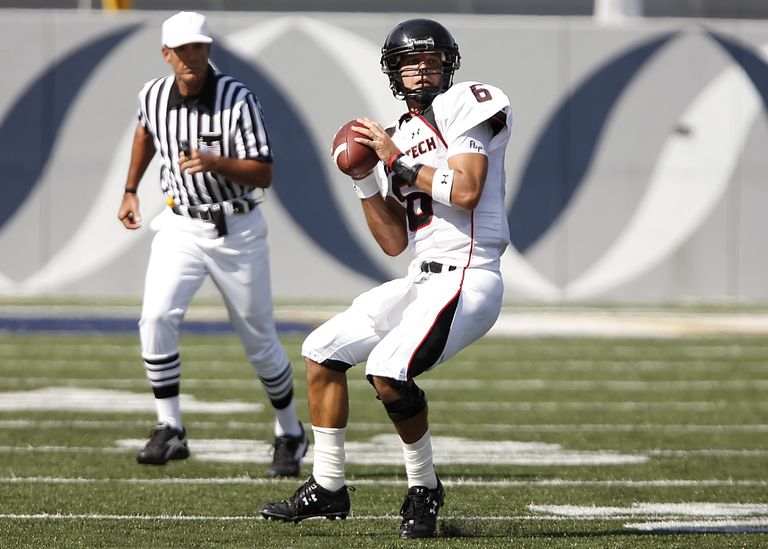
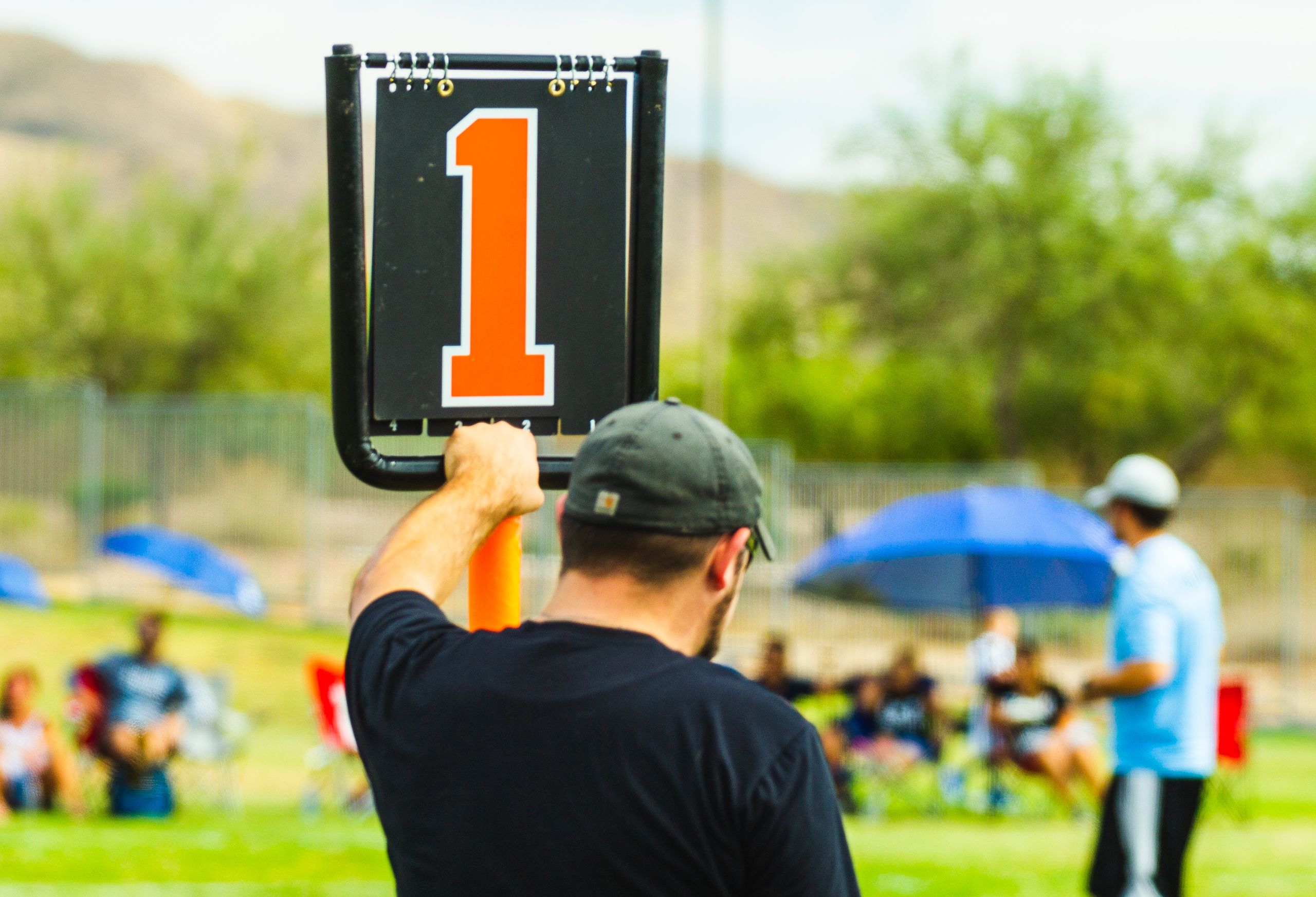
Each down is one play. The quarterback takes the snap, the play runs, and wherever the ball carrier goes down (or the pass falls incomplete), that’s where the next down starts. You’ll hear it described as down-and-distance: “2nd and 7” means it’s the second chance, with 7 yards still to go for a new set of downs.
Convert on 3rd down and the drive stays alive that’s why it’s called the money down. Fail on 4th, and the other team takes over right there, which is why teams rarely risk it: on 4th down they usually punt the ball away or kick a field goal instead. When a team skips the kick and runs a real play on 4th, that’s “going for it” the gutsiest call in the sport.
What to watch for:
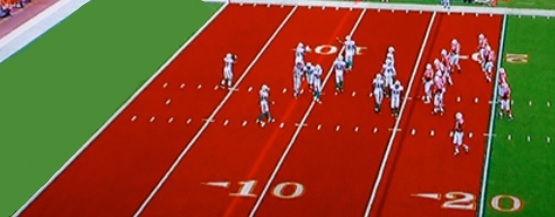
- The yellow line on your TV that’s the first-down marker. It’s a broadcast graphic, not painted on the field; the real markers are the orange posts and chain crew on the sideline.
- The down-and-distance graphic (“3rd & 4”) glance at it before every snap and you’ll always know the stakes.
- 3rd down is where drives live or die. Short yardage (3rd & 1) is nearly automatic; 3rd & long is where quarterbacks earn their money.
- On 4th down, watch who runs onto the field: the punt team means they’re giving up on the drive, the offense staying out means they’re going for it.
- Close calls use to bring out the chains and officials literally stretch a 10-yard chain across the field to measure. Now with new technology they do a “virtual” measure to see if the ball reached the 10-yard marker.
Say this out loud
“3rd and long this is the money down. They need the sticks here.”